
Illustration
Targeted Muscle Reinnervation Procedure
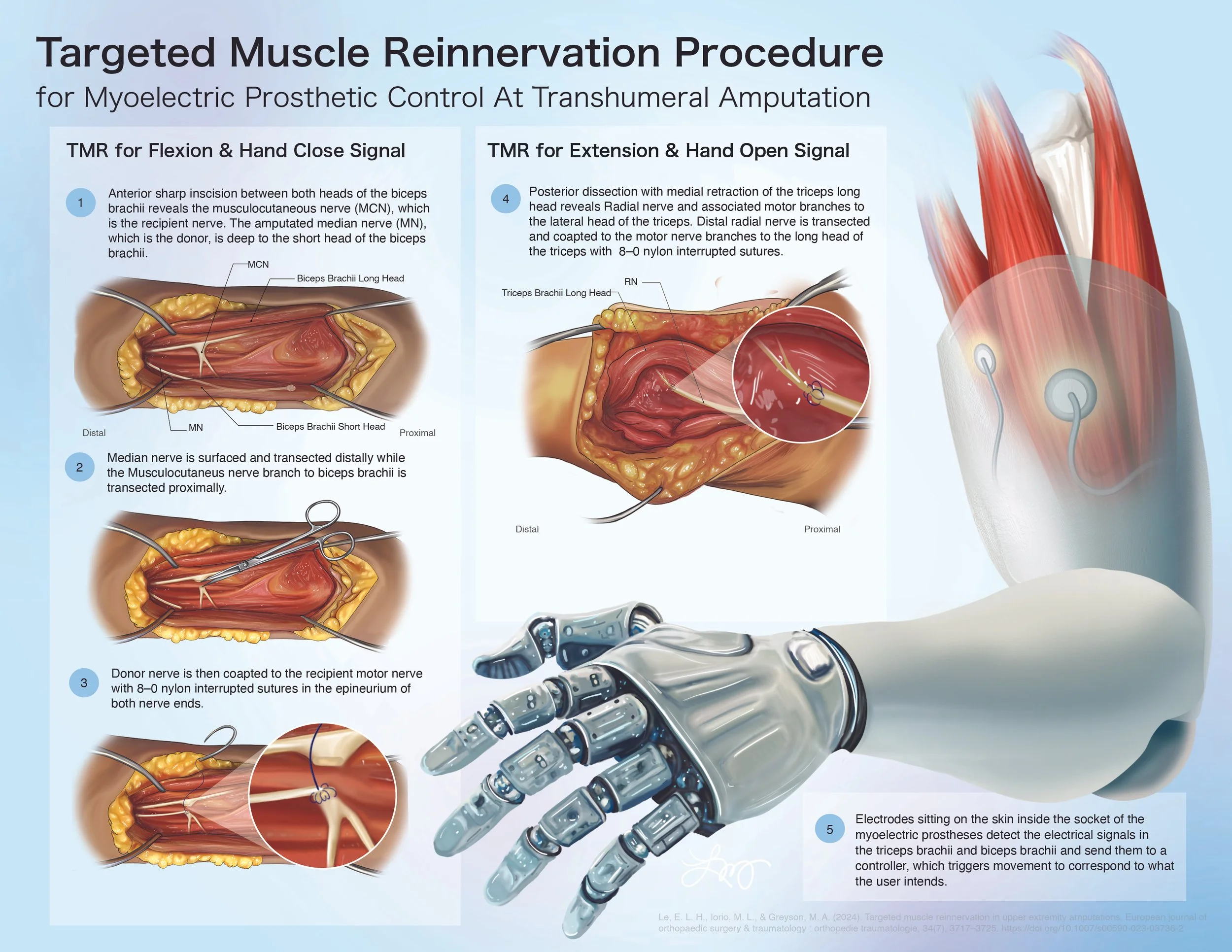
11 in. x 8.5 in.
Adobe Photoshop & Adobe Illustrator
Aimed for surgical residents and practicing physicians, this summarized surgical handout discusses targeted muscle re-innervation surgery for myoelectric prosthesis candidates with a transhumeral amputation. This procedure involves the transection and coaptation of motor nerve branches to increase the cutaneous electrical signals to the biceps and triceps brachii.
Heterotopic heart transplant
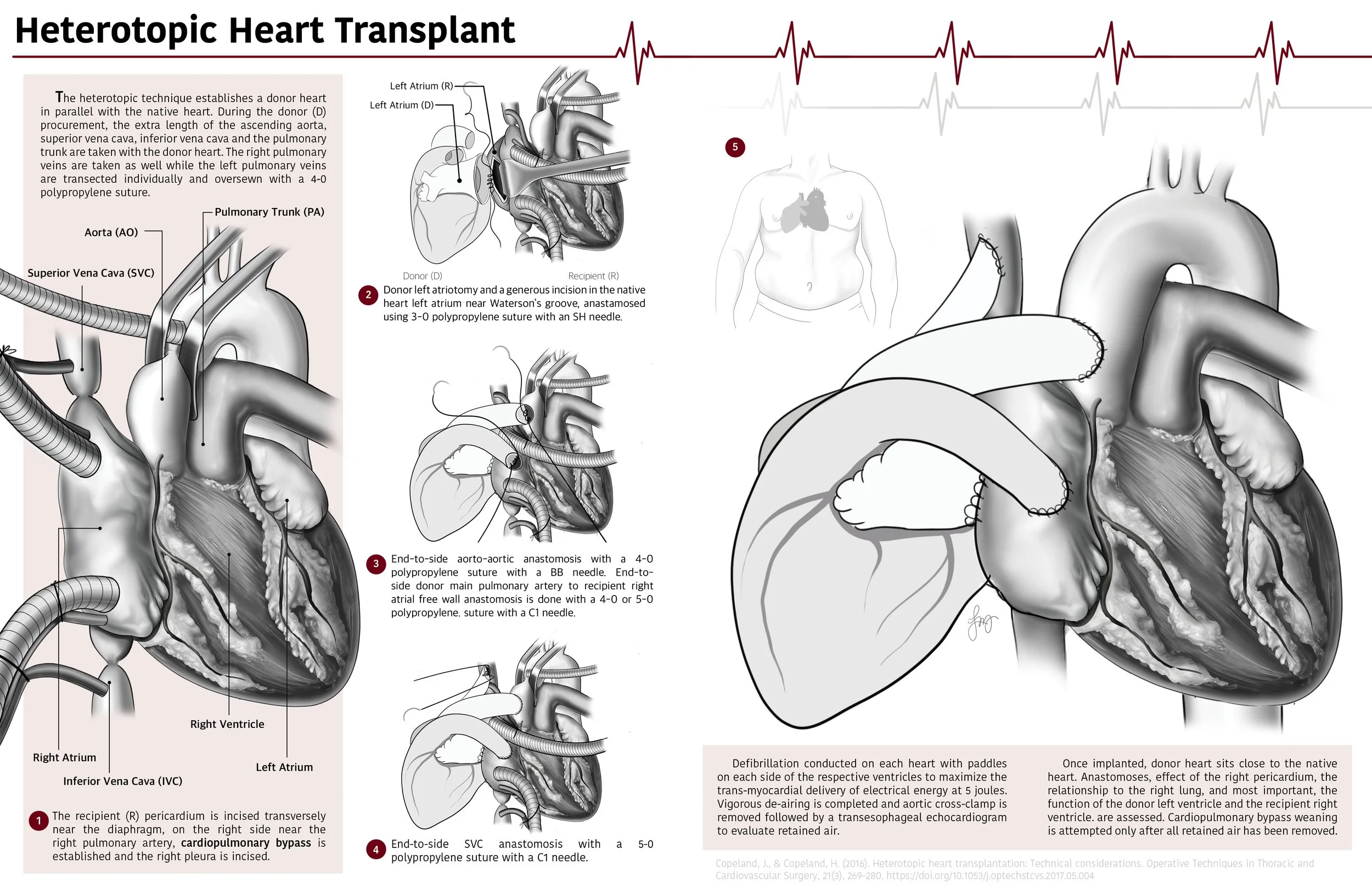
11 in. x 17 in.
Adobe Photoshop & Adobe Illustrator
Designed as a feature in cardiology magazine, this summarized surgical handout visualizes a heterotopic heart transplantation. This procedure involves end-to-side anastomosis of the aortas and superior vena cavas of both donor and recipient hearts, as well as end-to-side anastomosis of donor pulmonary artery to the recipient right atrial wall.
alone, together: Why cystic fibrosis patients can’t touch
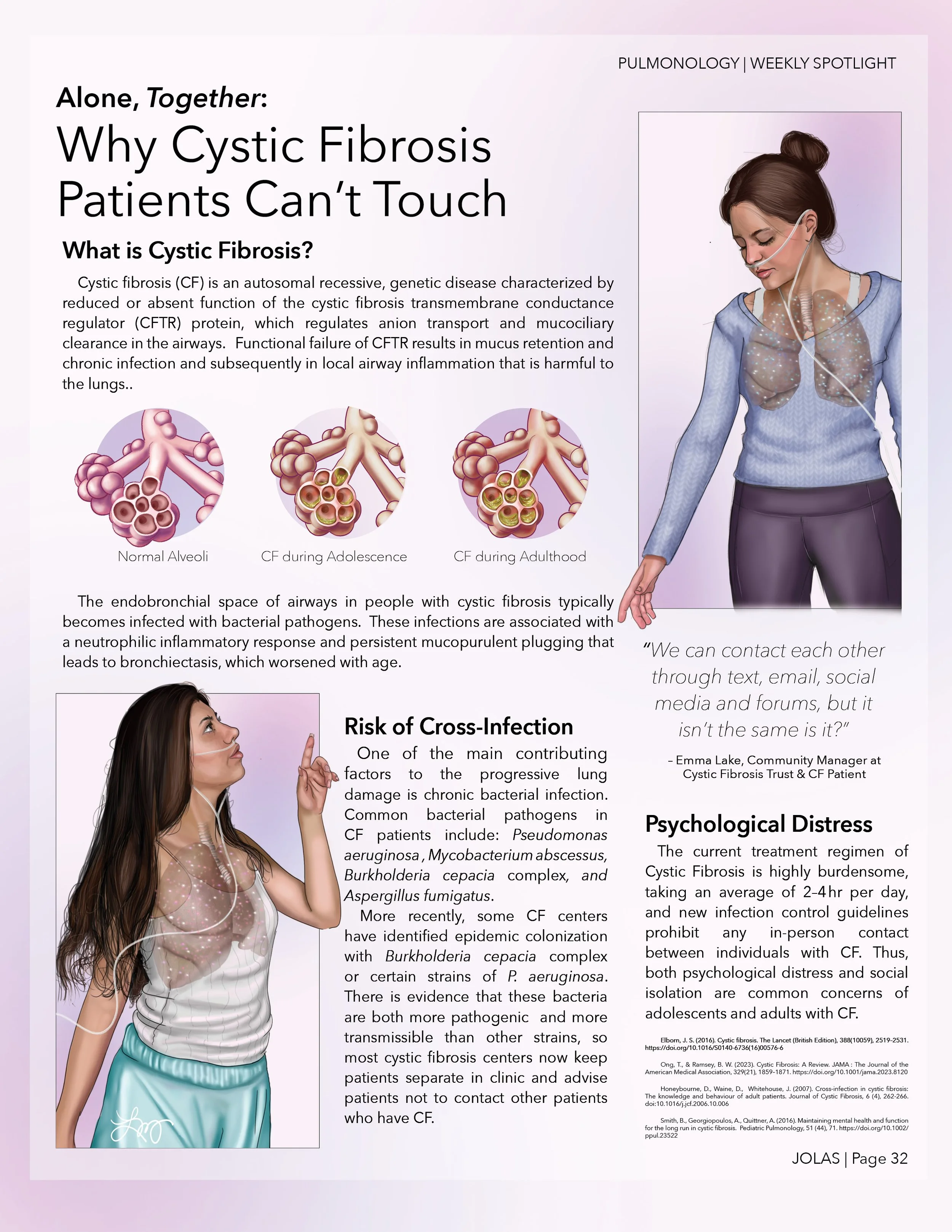
11 in. x 8.5 in.
Adobe Photoshop & Adobe Illustrator
This single-page magazine spread discusses Cystic Fibrosis (CF) and the lived experience of patients with the disease.Because each patient has unique bacterial colonies within their lungs, contact between CF patients can result in cross-infection, which can be deadly; for this reason, isolation and contact prevention between patients is strictly required in both medical facilities and daily life. This spread is designed for a medical journal’s “Weekly Spotlight” feature. The intended audience (i.e. medical professionals and students familiar with anatomy and medical terminology) would gain insight into the emotional experience of CF patients.
Birth control explained: tubal ligation
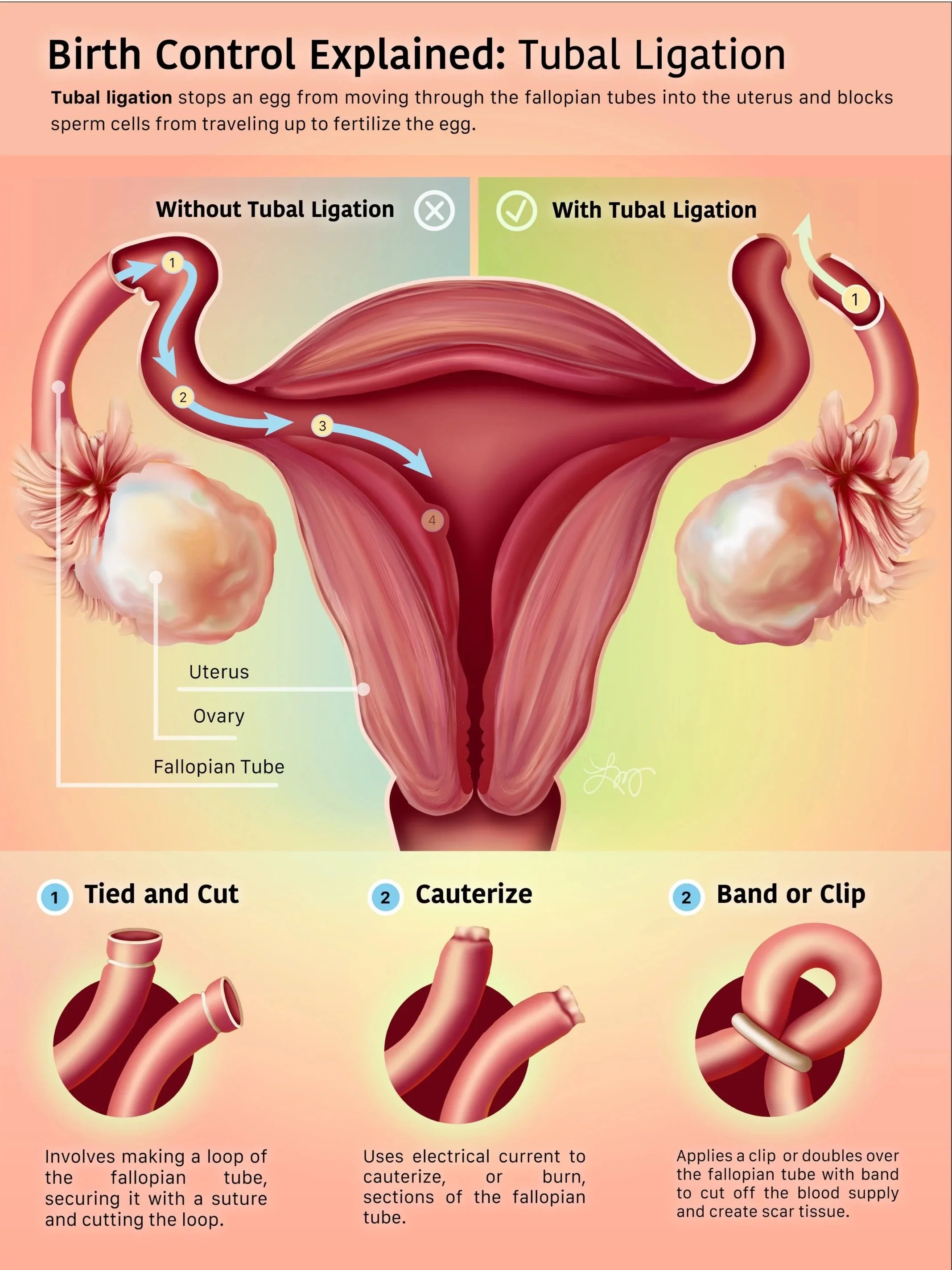
24 in. x 18 in.
Adobe Photoshop & Adobe Illustrator
Designed as an in-office poster, this patient educational piece provides a general overview on the mechanism and types of tubal ligation.
POST-OPERATIVE SPINAL DECOMPRESSION AND FUSION
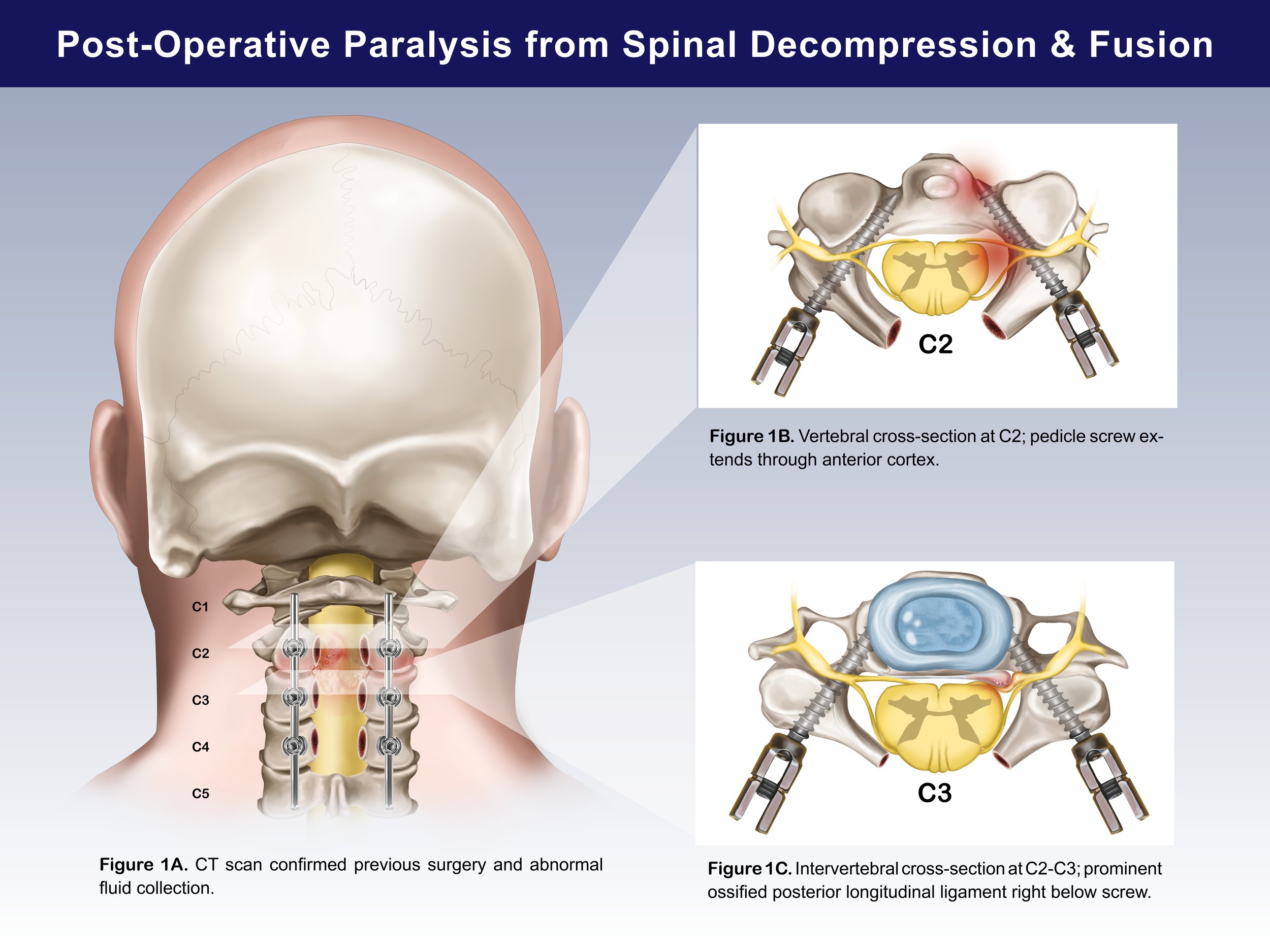
30 in. x 40 in.
Adobe Photoshop & Adobe Illustrator
To visually supplement this client’s medical malpractice suit, this exhibit shows the post-operative paralysis of a patient who endured a spinal decompression and fusion procedure. To accomodate the defendant’s claims, the exhibit highlights the misplaced pedicle screw at the C2 vertebrae, which is the alleged cause of spinal stenosis and paralysis.
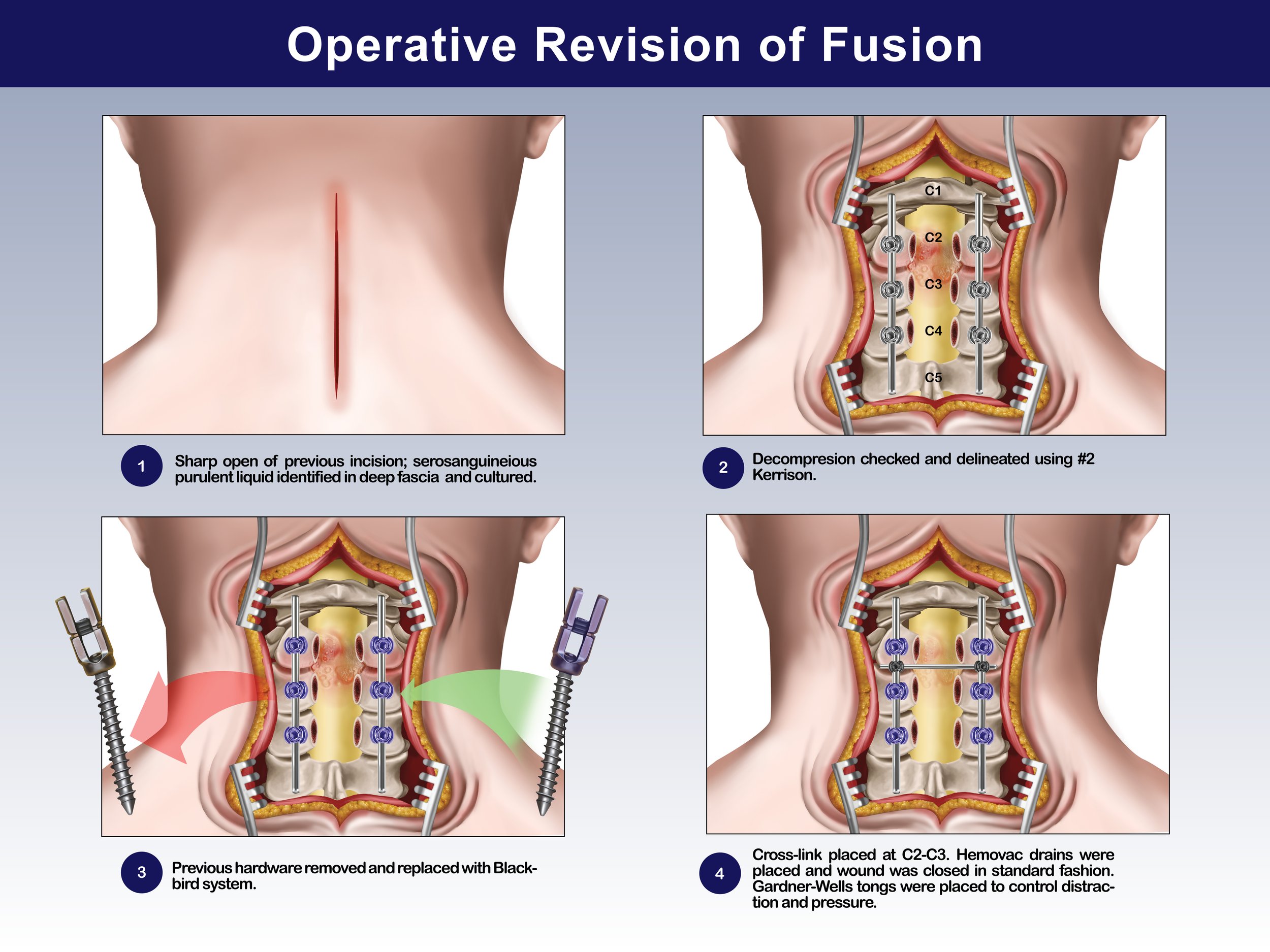
30 in. x 40 in.
Adobe Photoshop & Adobe Illustrator
As a result of a post-operative paralysis from a spinal decompression and fusion procedure, this client endured a revision surgery to address the ongoing infection and replace the previous hardware. The defendant claimed that the paralysis was due to negligence; for this reason, the piece highlights the brutality and invasive nature of the procedure in a sophisticated manner to highlight how much the defendant has endured due to the physician’s alleged negligence.
the cost of screen time

9 in. x 16 in.
Adobe Photoshop & Adobe Illustrator
This illustration highlights the negative effect of smartphones on sleep, focusing on the role of blue light. The bright, intrusive screen in a dark room, the piece mirrors the mental clutter and anxiety caused by phones, which disrupts the production of melatonin. The piece would be featured in a title slide presentation at a clinical sleep medicine conference, like the American Academy of Sleep Medicine’s SLEEP conference. At its core, the work aims to spark conversations on the intersection of technology use and sleep health.
Why strong legs make better pitchers
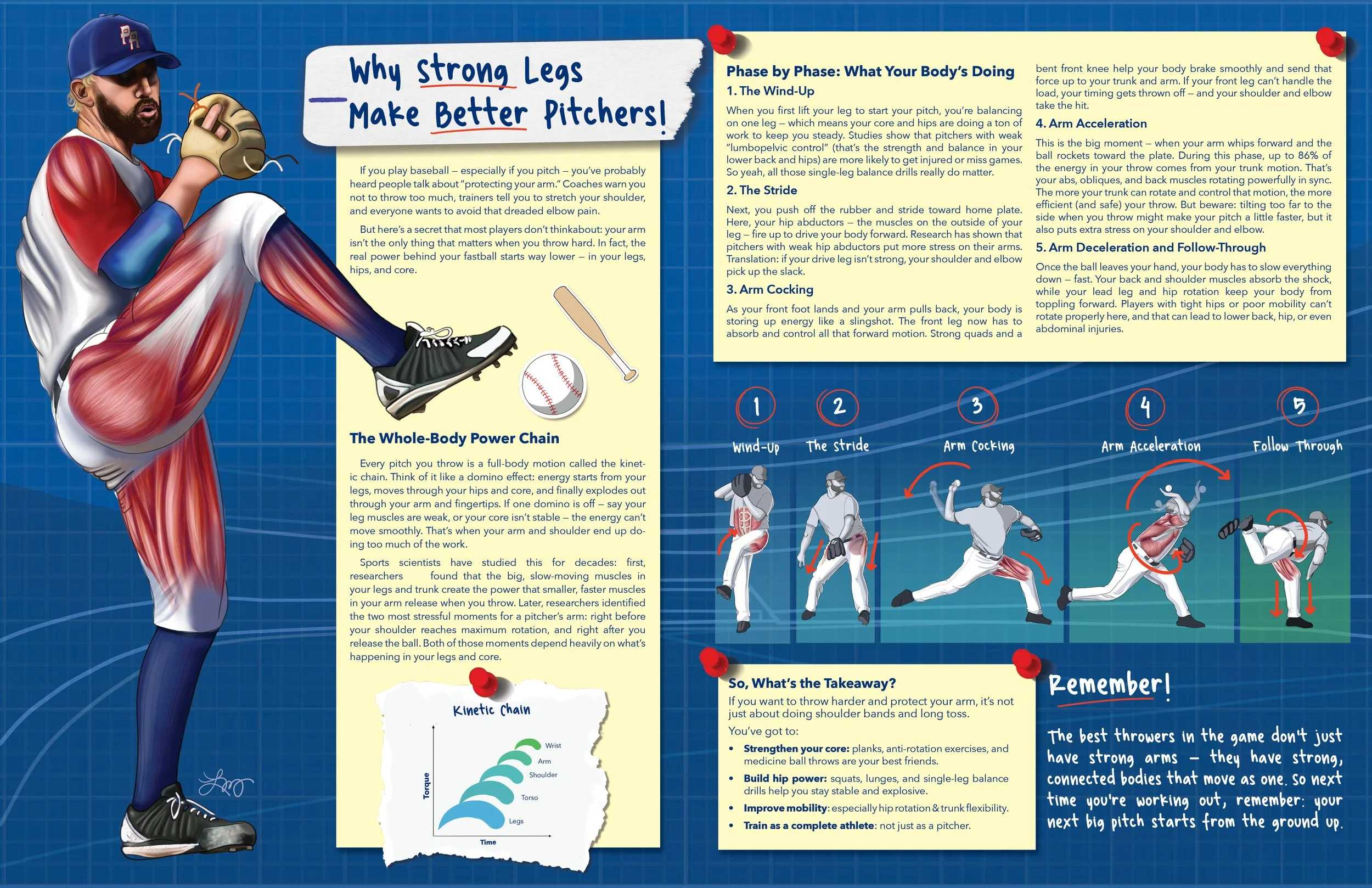
11 in. x 17 in.
Adobe Photoshop & Adobe InDesign
Designed as a two-page spread, this piece illustrates the anatomy, energy transfer and load distribution of the phases of throw, tailored for a sports science publication that prioritizes biomechanics, training and injury prevention. The blueprint theme of the spread originates from the article’s emphasis on foundation, structure, and proper form when pitching a baseball. This approach highlights how biomechanics can be thought of similarly to the structural integrity of a building; each muscle and movement phase contributes to the final outcome, from the bottom to the top.
The role of epithelial cell junction degeneration in metastasis
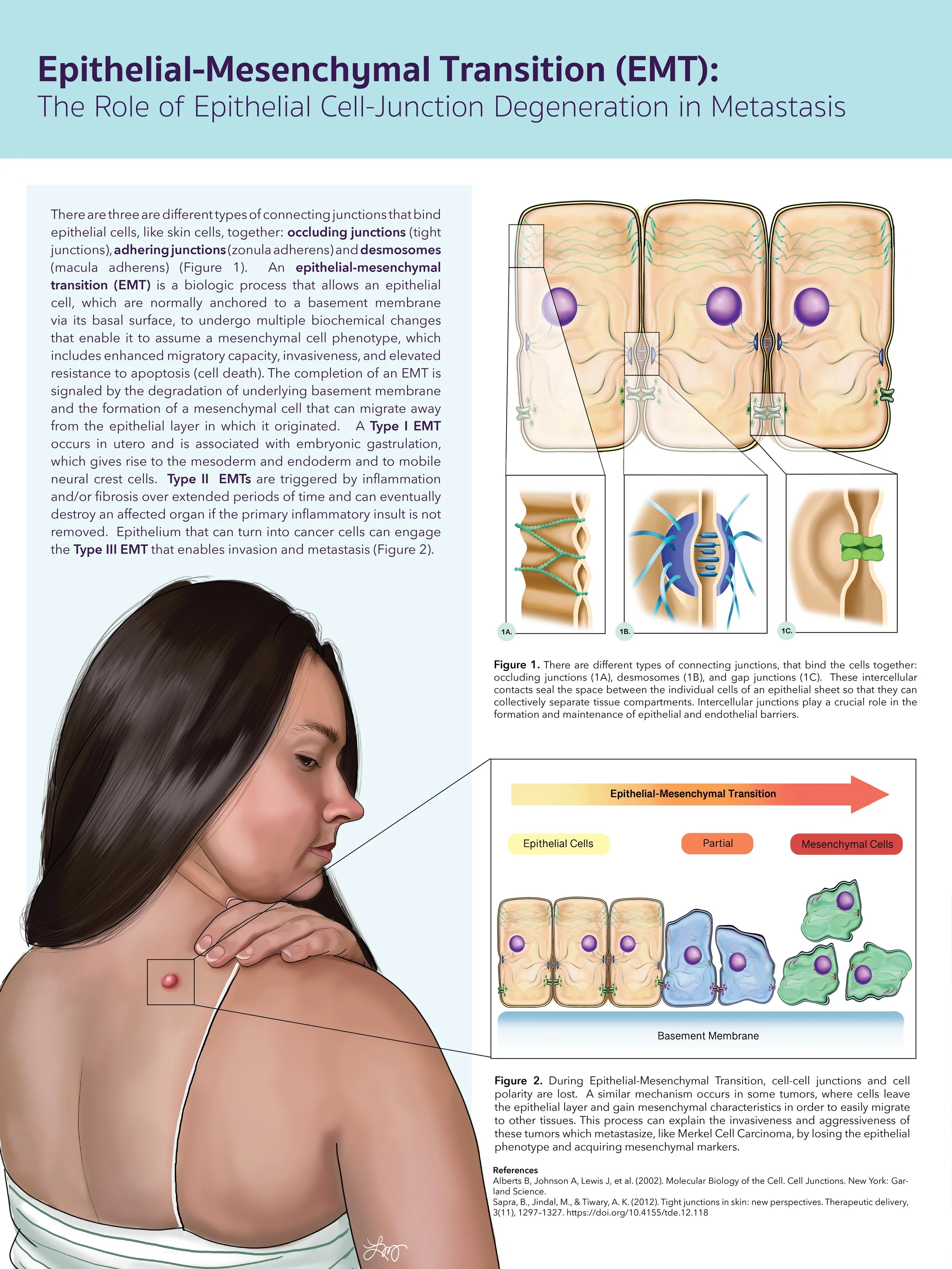
11 in. x 8.5 in.
Adobe Photoshop & Adobe Illustrator
Designed as a large poster, this piece focuses on epithelia-mesenchymal transition of skin cells and how it can lead to skin cancer metastasis. Featured in a medical student lounge, the intended audience is students who are medical savvy but might be lacking a robust dermatology background.
Transfer RNA (tRNA)
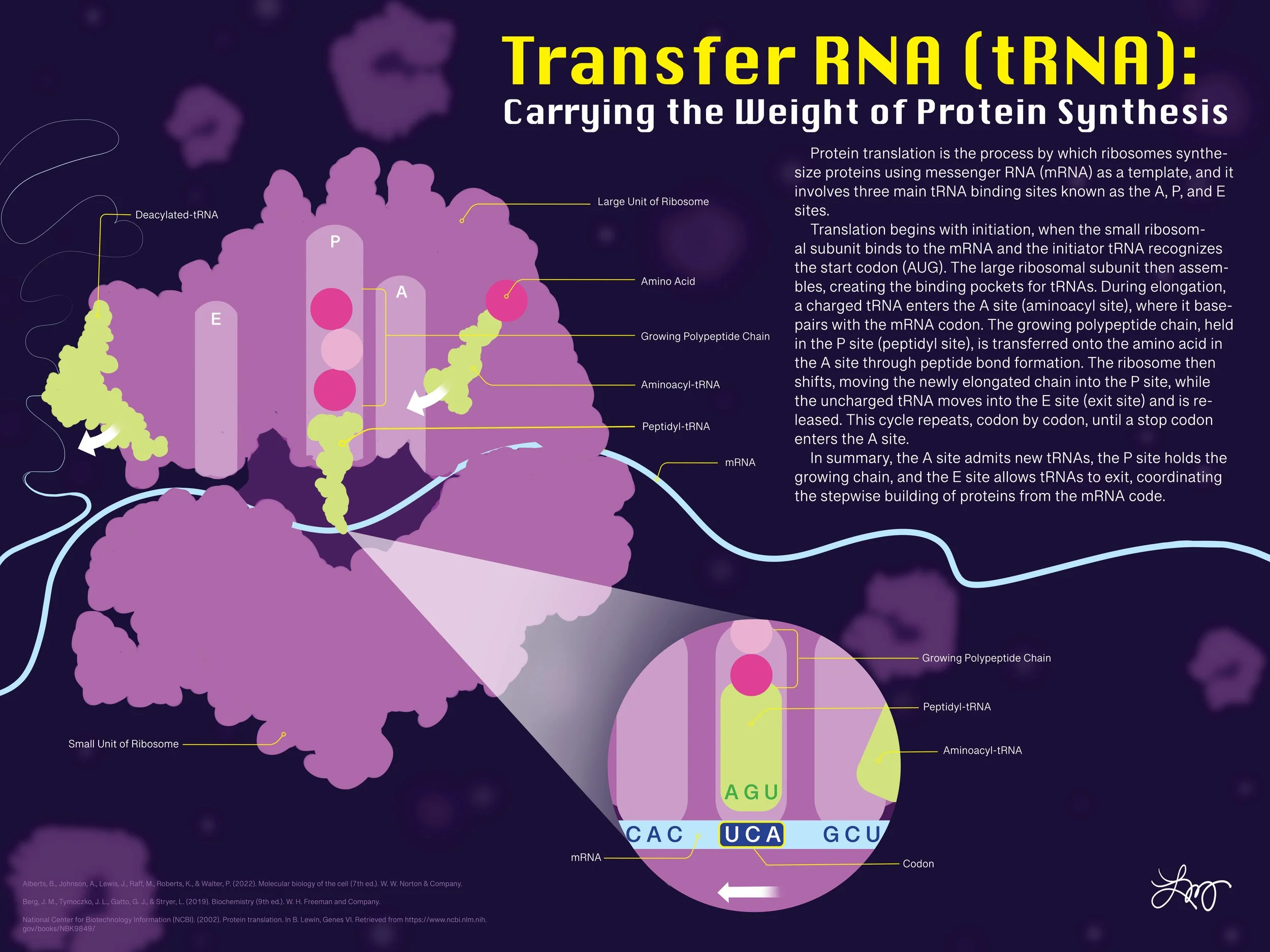
30 in. x 40 in.
Adobe Photoshop & Adobe Illustrator
Intended as a high school classroom, this educational poster breaks down the functionality of ribosomes within cells and the key role of transfer RNA (tRNA) in the synthesis of proteins.
Cirrhosis: your liver remembers

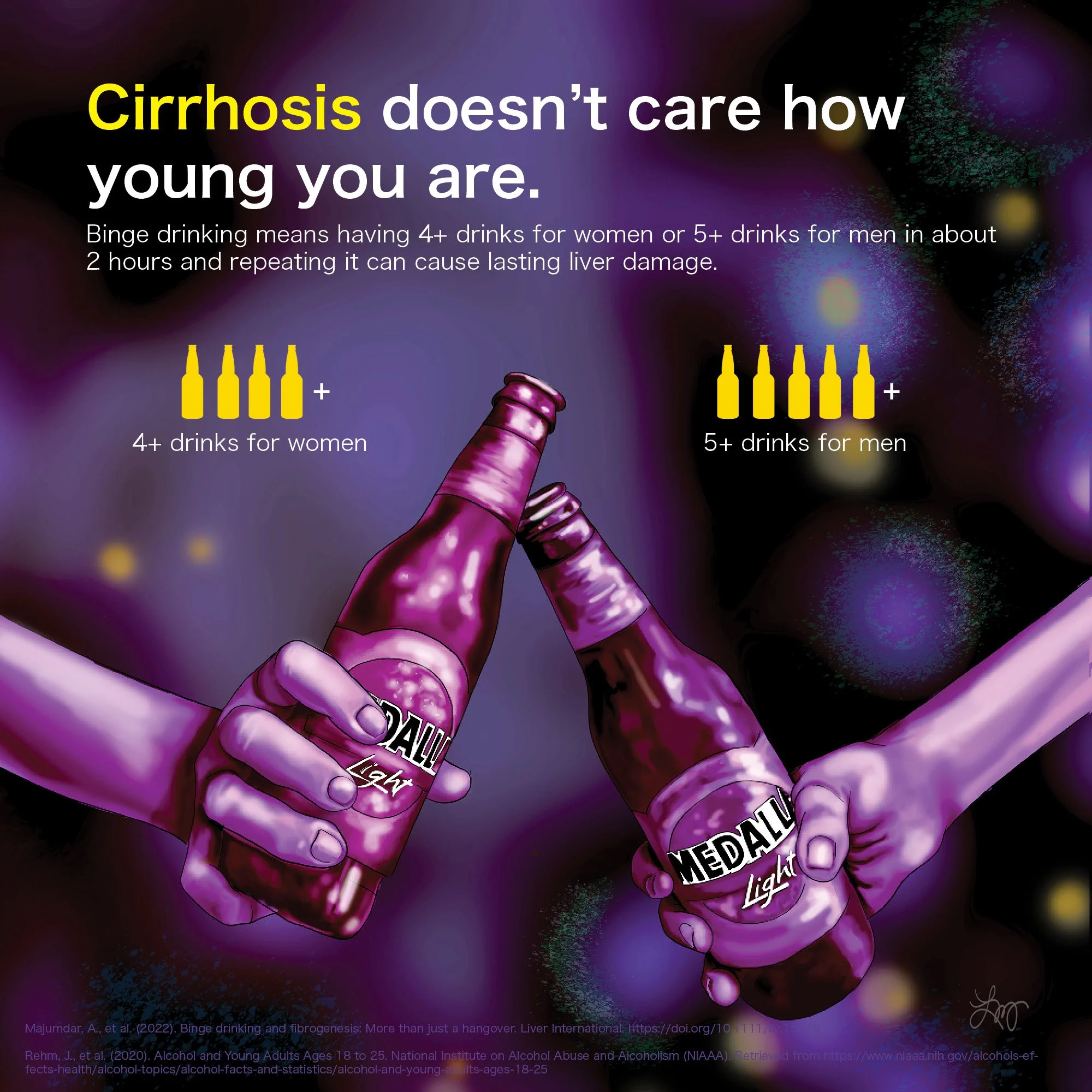
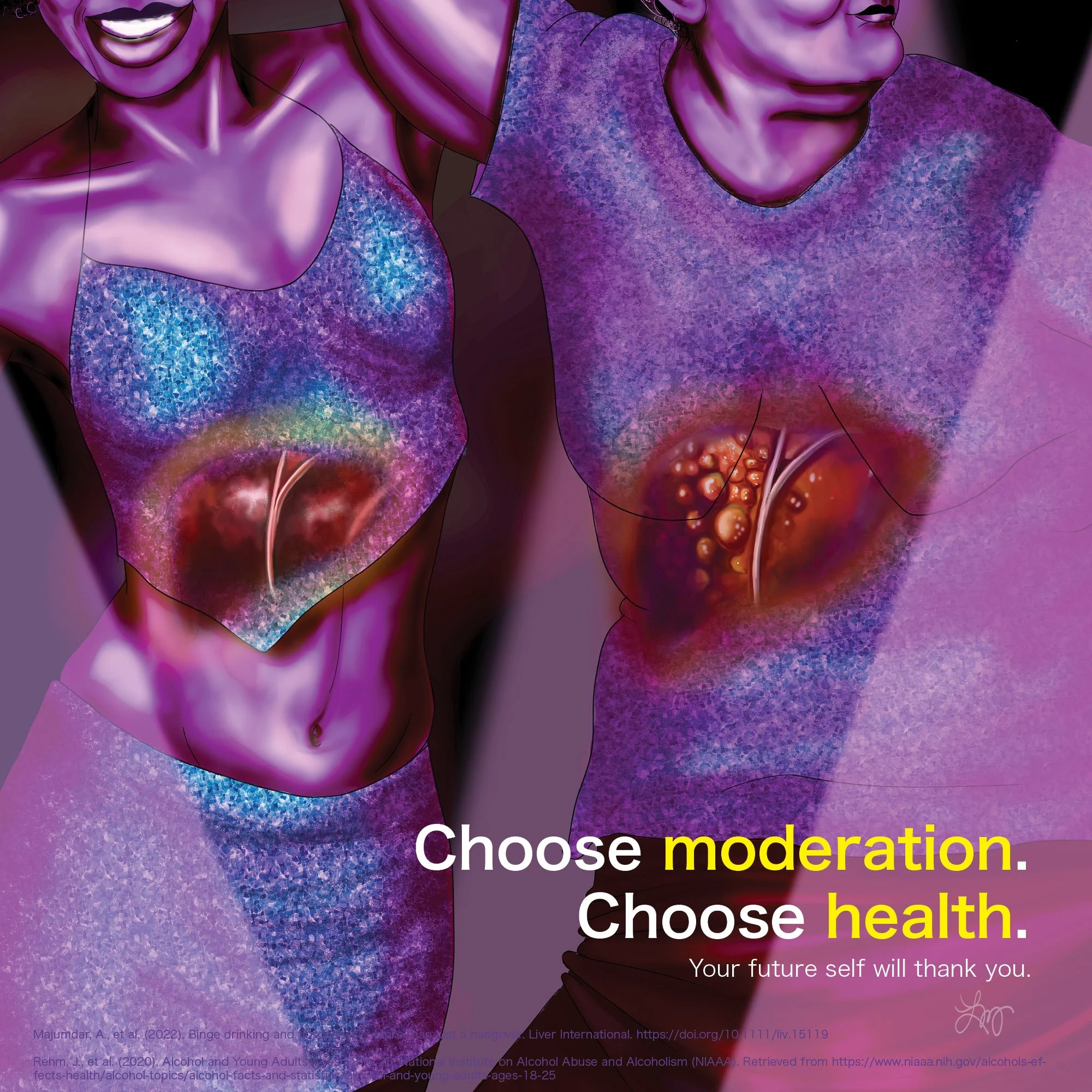
30 in. x 30 in.
Adobe Photoshop & Adobe Illustrator
Designed as an Instagram carousel, this three-part illustration attempts to raise awareness among Puerto Rican young adults about the risks of binge drinking and its potential to cause liver cirrhosis. Tailored toward Puerto Rican young adults, the piece incorporates local idioms, cultural references, and common drinks, like the beer Medalla. These touches foster relatability, allowing the audience to see themselves in the illustrations and retain the information being shared to accommodate the quick-scrolling habits of social media users.
the American journal of bioethics | Vol. 25 Issue 7
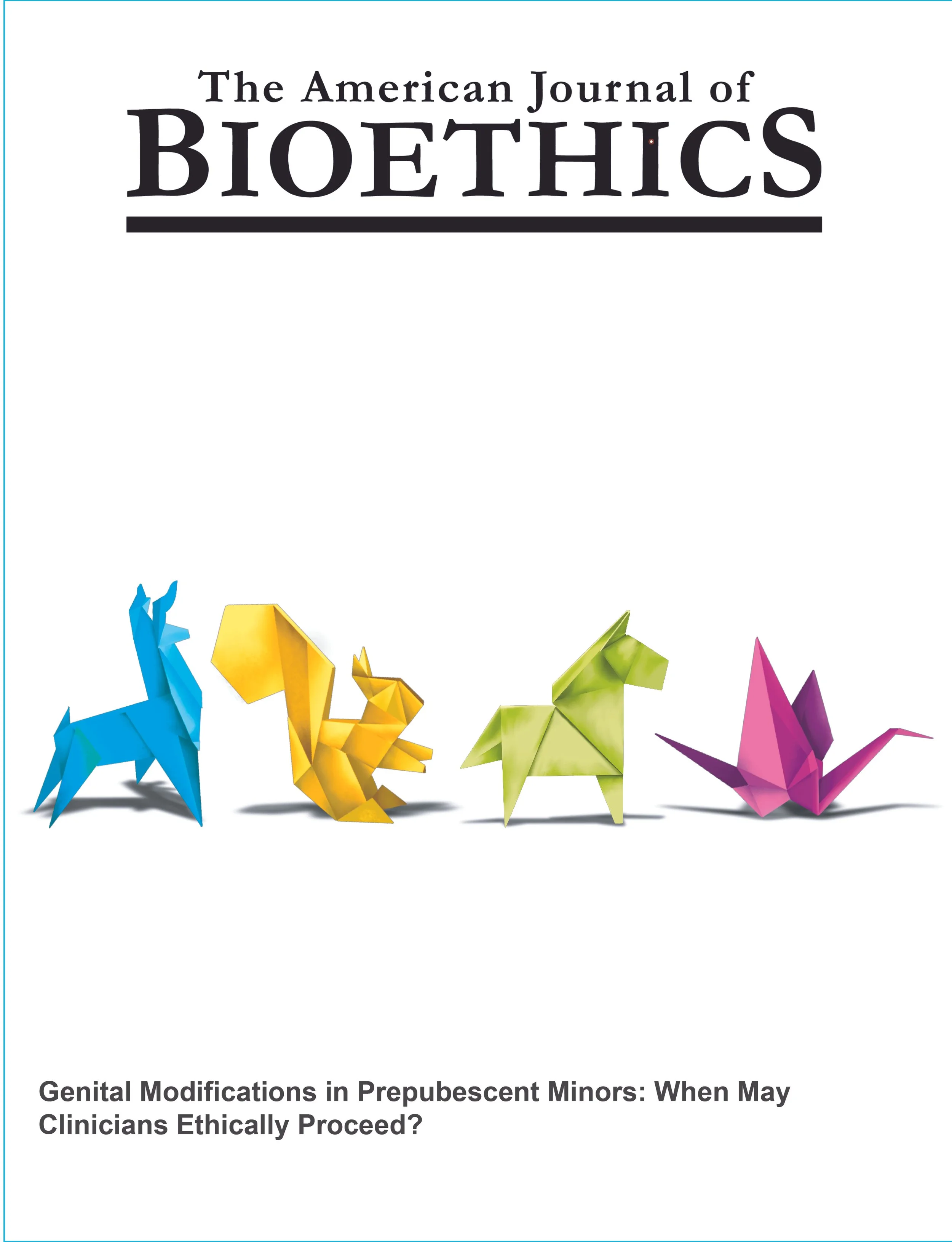
11 in. x 8.5 in.
Adobe Photoshop & Adobe Illustrator
This cover piece visualizes the featured AJOB article “Genital Modifications in Prepubescent Minors: When May Clinicians Ethically Proceed?” It stars a series of brightly colored origami animals, each uniquely folded to reflect individually. No two animals are alike, just as no case is the same. The vibrant paper evokes playfulness while the intricate folds represent the decisions made on behalf of children: delicate, permanent, and impossible to fully undo. Even when straightened, the paper remembers. Through this metaphor, the image confronts the lasting impact of genital modification in prepubescent minors, urging reflection on the ethics of shaping bodies before identities can unfold.